


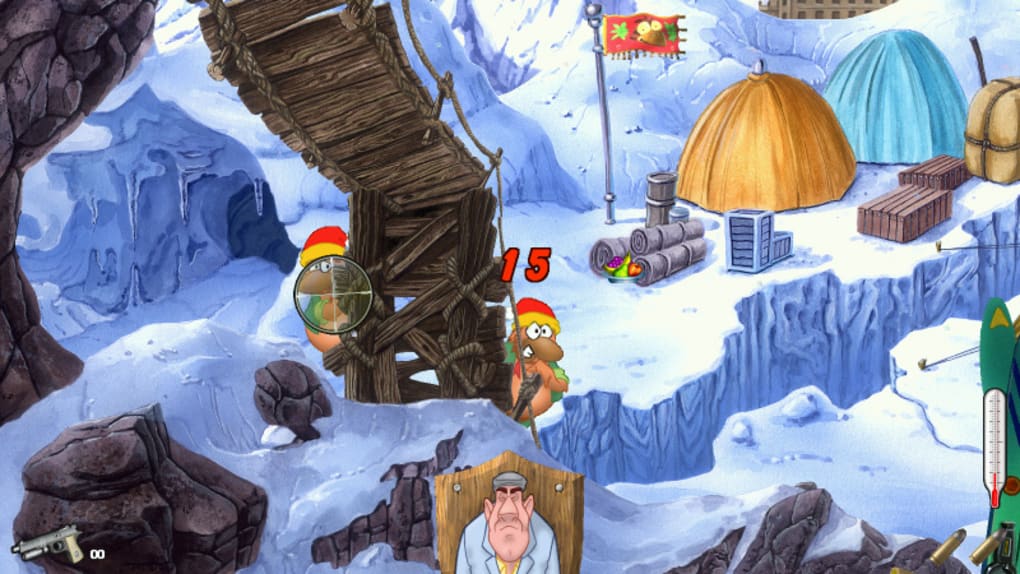
After spending years looking at how online games operate, I’ve realized something straightforward. A player’s satisfaction relies less on the game’s extras and more on their own approach. Chicken Shoot Game offers that traditional arcade rush, a blend of quick skill and fortune. But if you lack a system for your finances, the stress can spoil the excitement. This piece is about that system: bankroll management. The ideas apply for anyone, but I’m putting together this for players in Canada, with our monetary scene in mind. Let’s discuss how to keep the game enjoyable and your spending in line.
Mastering Bankroll Management
Consider bankroll management as a financial finance rulebook for gaming. The objective is to make your money stretch, reduce risk, and keep losses from escalating. It offers no wins. It guarantees that playing stays fun, not financially painful. In a fast game like Chicken Shoot Game, where rounds speed past, a set budget makes you to slow down and think. I regard it the most important skill a player can develop, more valuable than any tip for a single round. It converts haphazard spending into deliberate entertainment budgeting. That transformation changes everything about how you play.
The Mental Aspect of Spending in Fast-Paced Games
Excellent arcade games are built on quick feedback. The sounds, the flashes, the chance of a reward—they all engage you. When you’re concentrating on hitting targets in Chicken Shoot Game, it’s common to overlook how much each click costs. That’s why your budget, set before you even load the game, is so crucial. From what I’ve observed, players without a set bankroll often end up chasing losses, making larger, desperate bets to break even. A clear budget sets a boundary in the sand. It lets you feel the excitement without being overwhelmed.
Using Canadian-Friendly Tools
Users in Canada enjoy some handy tools to adhere to their plans. Good online platforms offer tools in your account settings: deposit limits, loss limits, session timers. Use them. They serve as a backup for the guidelines you set for yourself. Additionally, payment methods like Interac e-Transfer offer you a clear record on your bank statement. You can simply see how much you’ve used against your budget. Don’t view these tools as a nuisance. They’re your companions in playing responsibly.
Adapting to Chicken Shoot Game’s Volatility
Slots have a personality, called volatility. It describes how often and how large the rewards are. In my opinion, Chicken Shoot Game, with its bonuses and multiple target levels, inclines toward moderate or elevated variance. You might see slumps with minor payouts, then a larger payout. Your funds plan has to endure these standard fluctuations without draining out. That’s why percentage-based betting works so well. It instantly decreases your dollar risk when you’re on a down spell. When you understand volatility is aspect of the game’s design, losses feel not as much like failure and more like expected math. That makes it easier to stay to your strategy.
Setting Your Canadian Bankroll
Kick off with the key question: what can you truly afford? Your bankroll ought to be money you’re fine losing. It should not touch the cash for rent, groceries, bills, or savings. For Canadians, treat it like any other entertainment cost—a movie night or a restaurant meal. Do not take from emergency savings, credit lines, or bill money. You need to be honest. What’s the true number for the week or the month? That total is your gaming fund for that period. It’s never for one session. That comes later.
Transitioning from Total Budget to Session Limits
After you establish your total bankroll, split it into smaller pieces. If you earmark $100 for a month of gaming, you could aim for four $25 sessions. This keeps you from blowing your whole monthly fund in one go. Before you start Chicken Shoot Game, you decide on that session limit. When it’s gone, you finish. It seems basic, but this habit develops discipline. It also guarantees you get to play more than once, spreading out the fun.
The Significance of the “Walk-Away” Point
Inside each session, establish two clear markers: a loss limit and a win goal. Your loss limit might be half your session bankroll. Reach that, and you’re done for the day. Your win goal is a achievable profit target. When you hit it, you collect some winnings and end on a positive note. Say your session bankroll is $25. You could choose to quit if you drop to $10, or if you grow your stack up to $50. This plan takes the emotion out of the decision. It introduces a professional calm to a leisure activity.
Bet Sizing Strategies for Chicken Shoot Game
You possess your session bankroll. Now, how much do you bet per round? My go-to method is percentage-based betting. You bet a small, fixed portion of your current session bankroll, usually 1% to 5%. This modifies your risk as your money changes. Initiate a Chicken Shoot Game session with $20, and a 5% bet is $1 per round. Win some, and your bankroll grows to $30. Now your bet is $1.50, allowing you exploit a good streak. If your bankroll dwindles, your bet gets smaller too. This safeguards your cash and keeps you playing. It eliminates the dangerous “all-in” urge.
- The Fixed Percentage Model:
- The Fixed Unit Model:
- The Key Rule:
The Function of Bonuses and Offers
Sign-up offers or complimentary spins can increase your beginning balance. But you must read the terms. Concentrate on the betting rules. These rules state how many times you must wager the bonus money before you can take out profits from it. For Chicken Shoot Game, verify how bonus money function toward these requirements. My recommendation? View bonus funds as a way to try the game risk-free. It’s not “house money” to gamble carelessly. If you win real cash from a promotion, integrate it directly into your regular funds management. Apply the same play restrictions and bet sizing guidelines.
Spotting the Warning Signs of Poor Management
Look with yourself truthfully and frequently. Indicators are simple to see. You continue going over your session limits. You notice making extra deposits beyond your budget. You feel the urge to recover losses by abruptly increasing your wagers. Other alerts involve betting just to get money back, ignoring other aspects of your life, or getting annoyed when you aren’t gambling. Identify these patterns, and that means for a pause. Step away for a week or a month. Come back and examine your budget with unclouded eyes. This is not a moral shortcoming. It’s a indication your approach needs a tweak.
Extended Mindset and Documentation
Good money management is a long game. It’s about treating play as a measured hobby. I keep a fundamental log: date, starting amount, ending amount, time played, and maybe a note on how I was feeling. In Canada, you won’t need this for taxes (gambling winnings aren’t taxable). You do it for yourself. Over weeks, this log shows your true performance. It shows you if your bets are too big. It confirms whether your total budget makes sense. The attention moves from the result of one session to the state of your habits over many months. That’s the true goal of playing any First Game Chicken Shoot included, the correct way.
Integrating Responsible Play with Enjoyment
Structured bankroll management doesn’t mean destroying fun. It’s about safeguarding it. When you remove the worry about overspending, you can really enjoy the game. The graphics, the mechanics, the excitement—you can value them. The tension should come from preparing a tricky shot, not from calculating if you can afford groceries. Playing within a solid, affordable framework makes every session more enjoyable. To me, this approach signals the difference between a wise player and a exposed one. It keeps the game a rewarding hobby, just as its creators intended.